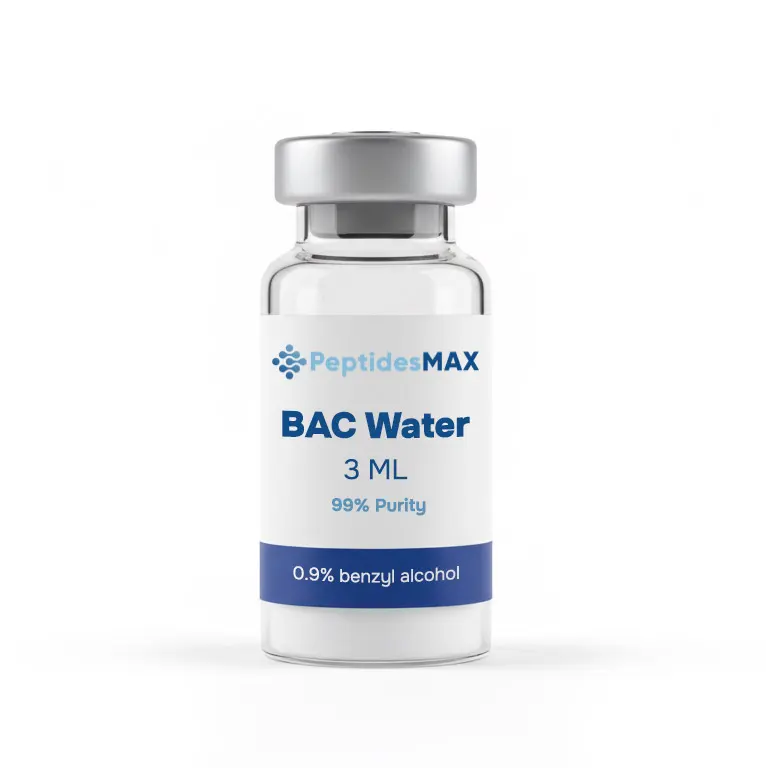
Bacteriostatic Water 10ML
10,00 $ – 15,00 $Price range: 10,00 $ through 15,00 $
Bacteriostatic Water for Injection – Sterile, USP Grade
Product Overview:
Bacteriostatic Water for Injection is a sterile, non-pyrogenic preparation of water containing 0.9% benzyl alcohol as a bacteriostatic preservative. This formulation allows for repeated withdrawals from a single vial while maintaining sterility, making it ideal for reconstituting research peptides, hormones, and other lyophilized compounds. Our Bacteriostatic Water meets USP (United States Pharmacopeia) standards for purity and safety.
Key Features:
- USP Grade: Manufactured in FDA-registered facility meeting United States Pharmacopeia standards
- Preservative Formula: Contains 0.9% benzyl alcohol to inhibit bacterial growth, allowing multiple uses from one vial
- Available Volumes: 10ml, 30ml, and 50ml multi-use glass vials
- Sterile & Non-Pyrogenic: Gamma-irradiated and filtered through 0.22-micron filters
- pH Balanced: pH range 4.5-7.0 for optimal peptide stability
- Convenient Packaging: Flip-top rubber stopper for easy sterile needle access
Product Specifications:
- Composition: Sterile water for injection with 0.9% benzyl alcohol (C₇H₈O)
- Appearance: Clear, colorless solution
- Osmolarity: 0 mOsm/L (hypotonic)
- Shelf Life: 24 months unopened; use within 28 days after first puncture
- Storage: Room temperature (15-30°C) before opening; refrigerate after first use
Primary Uses:
Bacteriostatic Water is essential for:
- Peptide Reconstitution: Safely dissolving lyophilized research peptides (GHRP, GHRH, BPC-157, TB-500, etc.)
- Hormone Preparation: Reconstituting growth hormone and other lyophilized hormones
- Multi-Dose Applications: Maintaining sterility for up to 28 days after first use
- Laboratory Research: Dilution and preparation of sterile solutions for experimental protocols
- Compounding: Creating custom research solutions with preserved sterility
Why Choose Bacteriostatic Water Over Sterile Water?
- Multi-Use: Can be used multiple times within 28 days, reducing waste
- Cost-Effective: One vial serves for entire research cycle of multiple compounds
- Enhanced Safety: Benzyl alcohol prevents bacterial contamination during repeated access
- Peptide Stability: Maintains pH neutrality for optimal peptide integrity
Storage & Handling Instructions:
- Store unopened vials at room temperature (15-30°C) away from direct sunlight
- After first needle puncture, refrigerate at 2-8°C and use within 28 days
- Do not use if solution appears cloudy, discolored, or contains particles
- Always use aseptic technique when withdrawing solution
- Never use the same needle for drawing and injecting
- Discard any unused portion after 28 days from first use
Safety Information:
For Research & Laboratory Use Only. Not for human consumption, injection, or therapeutic purposes. Bacteriostatic Water should only be used by qualified researchers in controlled laboratory settings. The benzyl alcohol preservative is not suitable for neonatal or pediatric research applications. Always consult institutional safety protocols before use.
Quality Assurance:
- Each batch undergoes sterility testing according to USP <71>
- Endotoxin testing ensures <0.5 EU/mL
- Certificate of Analysis (CoA) available upon request
- Manufactured under cGMP compliance
| Dosage |
10 ML ,3 ML |
|---|
What Are Peptides Used For? A Comprehensive Guide
Peptides are short chains of amino acids that serve as fundamental building blocks of proteins and play crucial roles in numerous biological processes. Due to their small size and high specificity, peptides have become invaluable tools across multiple industries, from medical research to skincare and athletic performance. This article explores the primary applications of peptides and their growing importance in modern science.
1. Medical and Pharmaceutical Research
Peptides are extensively used in drug development and therapeutic applications due to their ability to mimic natural biological processes. Key areas include:
- Cancer Treatment: Certain peptides can target tumor cells specifically, delivering chemotherapy drugs directly to malignant tissues while sparing healthy cells.
- Hormone Therapy: Synthetic peptides like insulin, growth hormone-releasing peptides, and GLP-1 agonists are used to manage diabetes, growth deficiencies, and metabolic disorders.
- Antimicrobial Agents: Antimicrobial peptides (AMPs) fight bacteria, viruses, and fungi, offering alternatives to traditional antibiotics.
- Immune Modulation: Peptides help regulate immune responses, showing promise in treating autoimmune diseases and enhancing vaccine efficacy.
2. Anti-Aging and Skincare
In dermatology and cosmetics, peptides are prized for their skin-repairing and rejuvenating properties:
- Collagen Stimulation: Signal peptides like Matrixyl and copper peptides boost collagen production, reducing wrinkles and improving skin elasticity.
- Skin Barrier Repair: Peptides strengthen the skin's protective barrier, helping retain moisture and resist environmental damage.
- Muscle Relaxation: Neurotransmitter-inhibiting peptides (e.g., Argireline) mimic Botox effects, smoothing expression lines.
- Wound Healing: Certain peptides accelerate tissue repair, making them valuable in post-procedure skincare.
3. Sports Performance and Recovery
Athletes and fitness enthusiasts use peptides to enhance performance, recovery, and muscle growth:
- Muscle Building: Growth hormone secretagogues (GHS) stimulate natural GH release, promoting lean muscle mass.
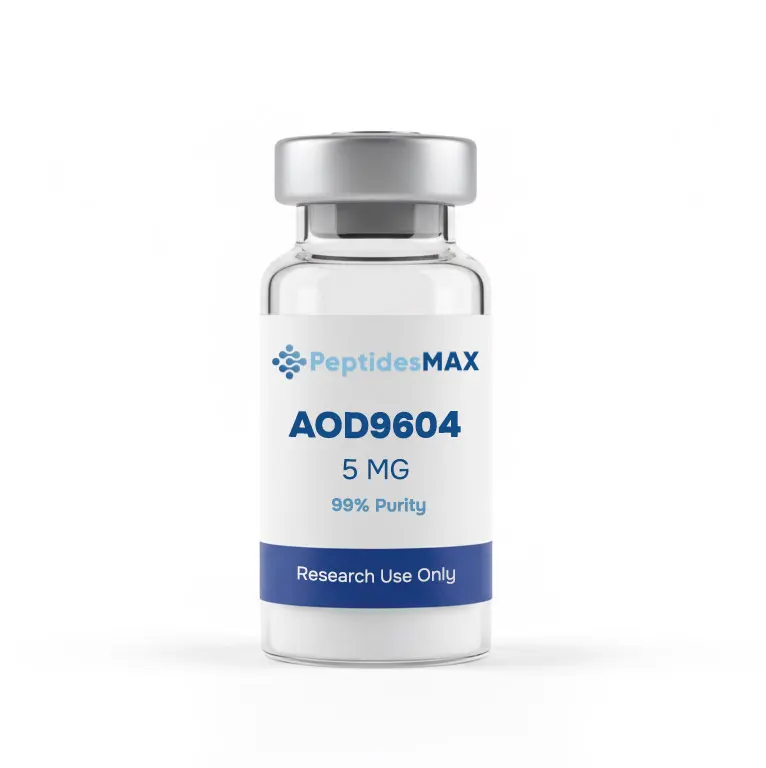
- Fat Loss: Peptides like AOD-9604 target adipose tissue, aiding in weight management without affecting blood sugar.
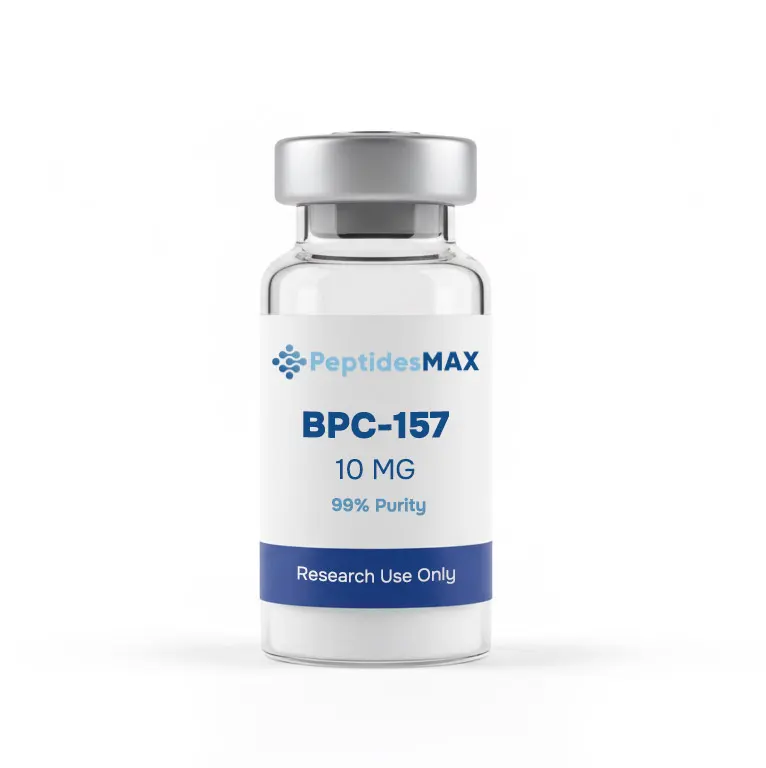
- Injury Recovery: BPC-157 and TB-500 accelerate healing of tendons, ligaments, and muscles.
- Endurance Enhancement: Some peptides improve oxygen utilization and cardiovascular efficiency.
Important: Many performance-enhancing peptides are prohibited in competitive sports and should only be used under medical supervision.
4. Scientific Research and Diagnostics
Peptides serve as essential tools in laboratory research and diagnostic applications:
- Biomarkers: Specific peptide sequences indicate disease presence, enabling early detection through blood tests.
- Drug Delivery: Cell-penetrating peptides (CPPs) transport therapeutic molecules across cell membranes.
- Protein Studies: Synthetic peptides help researchers study protein structures and interactions.
- Vaccine Development: Peptide-based vaccines stimulate targeted immune responses with fewer side effects.
5. Veterinary Medicine
In veterinary practice, peptides are used for:
- Promoting growth and development in livestock
- Treating metabolic disorders in animals
- Enhancing immune function and disease resistance
- Accelerating wound healing in companion animals
Advantages of Peptide-Based Solutions
- High Specificity: Peptides target precise receptors with minimal off-target effects.
- Low Toxicity: Generally well-tolerated and metabolized safely by the body.
- Versatility: Can be designed for countless therapeutic and cosmetic purposes.
- Rapid Action: Many peptides work quickly due to small molecular size.
Conclusion
From revolutionary cancer therapies to next-generation skincare and athletic recovery, peptides represent one of the most versatile and promising areas of modern biochemistry. As research advances, we can expect even more innovative applications that harness the power of these remarkable molecules. Whether in medicine, cosmetics, or scientific discovery, peptides continue to shape the future of health and wellness.
Disclaimer: This information is for educational purposes only. Always consult qualified healthcare professionals before using any peptide-based products.


Reviews
There are no reviews yet.