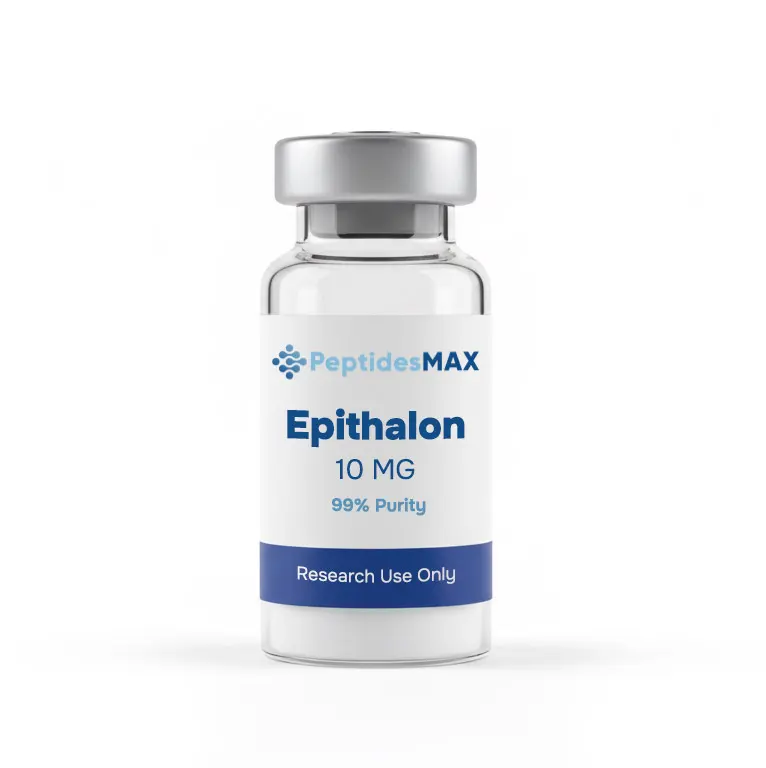
Epithalon 10MG
135,00 $
Epithalon Research Peptide – Anti-Aging & Telomerase Activation
Product Overview:
Epithalon (also known as Epitalon or Epithalamin) is a synthetic tetrapeptide consisting of four amino acids (Alanine, Glutamic Acid, Aspartic Acid, Glycine). Discovered by Russian scientist Professor Vladimir Khavinson, this peptide has been extensively studied for its potential role in telomerase activation, pineal gland regulation, and anti-aging mechanisms. Our Epithalon is produced for laboratory research purposes with the highest purity standards.
Key Features:
- High Purity: ≥98% purity verified by independent HPLC-MS analysis
- Available Concentrations: 10mg, 20mg, and 50mg lyophilized powder vials
- Research Grade: Manufactured in ISO-certified facility following strict quality control protocols
- Stable Formulation: Lyophilized powder ensures extended shelf life and maximum stability
- Sealed Packaging: Each vial is vacuum-sealed with desiccant to prevent moisture contamination
Chemical Information:
- Molecular Formula: C14H22N4O9
- Molecular Weight: ~390.35 g/mol
- Sequence: Ala-Glu-Asp-Gly
- Appearance: White to off-white lyophilized powder
- Solubility: Soluble in sterile water or diluted acetic acid
Research Applications:
Epithalon has been studied for its potential role in:
- Telomere Lengthening: Activates telomerase enzyme, potentially extending telomere length and cellular lifespan
- Melatonin Regulation: Stimulates pineal gland function and regulates circadian rhythms
- Antioxidant Activity: Reduces oxidative stress and free radical damage
- DNA Repair: Enhances cellular DNA repair mechanisms
- Immune System Support: Modulates immune response and T-cell function
- Anti-Aging Studies: Investigated for potential reversal of age-related biological markers
Important: This product is strictly for in vitro and research use only. Not intended for human consumption, therapeutic application, or veterinary use.
Storage & Handling:
- Store lyophilized powder at -20°C (stable for up to 36 months)
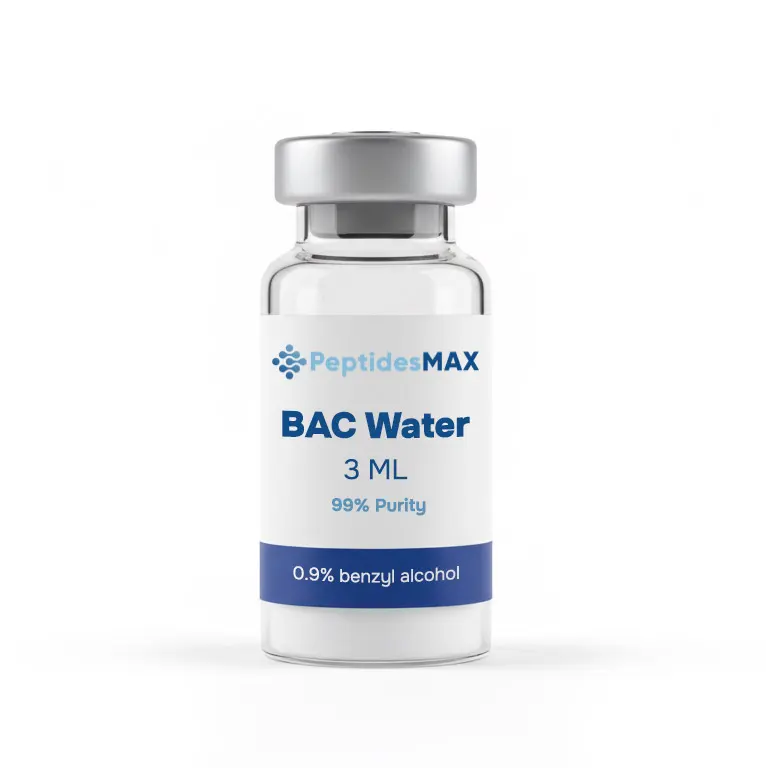
- Reconstitute with sterile bacteriostatic water or physiological saline
- Use reconstituted solution within 14 days when stored at 2-8°C
- Avoid repeated freeze-thaw cycles to maintain peptide integrity
- Keep away from direct sunlight and moisture at all times
Safety Disclaimer:
This peptide is a research chemical only. It has not been evaluated by the FDA, EMA, or any regulatory authority for safety, efficacy, or pharmacological effects. Researchers must adhere to all institutional and national safety guidelines when handling. The buyer assumes full responsibility for compliance with applicable laws and regulations.

What Are Peptides Used For? A Comprehensive Guide
Peptides are short chains of amino acids that serve as fundamental building blocks of proteins and play crucial roles in numerous biological processes. Due to their small size and high specificity, peptides have become invaluable tools across multiple industries, from medical research to skincare and athletic performance. This article explores the primary applications of peptides and their growing importance in modern science.
1. Medical and Pharmaceutical Research
Peptides are extensively used in drug development and therapeutic applications due to their ability to mimic natural biological processes. Key areas include:
- Cancer Treatment: Certain peptides can target tumor cells specifically, delivering chemotherapy drugs directly to malignant tissues while sparing healthy cells.
- Hormone Therapy: Synthetic peptides like insulin, growth hormone-releasing peptides, and GLP-1 agonists are used to manage diabetes, growth deficiencies, and metabolic disorders.
- Antimicrobial Agents: Antimicrobial peptides (AMPs) fight bacteria, viruses, and fungi, offering alternatives to traditional antibiotics.
- Immune Modulation: Peptides help regulate immune responses, showing promise in treating autoimmune diseases and enhancing vaccine efficacy.
2. Anti-Aging and Skincare
In dermatology and cosmetics, peptides are prized for their skin-repairing and rejuvenating properties:
- Collagen Stimulation: Signal peptides like Matrixyl and copper peptides boost collagen production, reducing wrinkles and improving skin elasticity.
- Skin Barrier Repair: Peptides strengthen the skin's protective barrier, helping retain moisture and resist environmental damage.
- Muscle Relaxation: Neurotransmitter-inhibiting peptides (e.g., Argireline) mimic Botox effects, smoothing expression lines.
- Wound Healing: Certain peptides accelerate tissue repair, making them valuable in post-procedure skincare.
3. Sports Performance and Recovery
Athletes and fitness enthusiasts use peptides to enhance performance, recovery, and muscle growth:
- Muscle Building: Growth hormone secretagogues (GHS) stimulate natural GH release, promoting lean muscle mass.
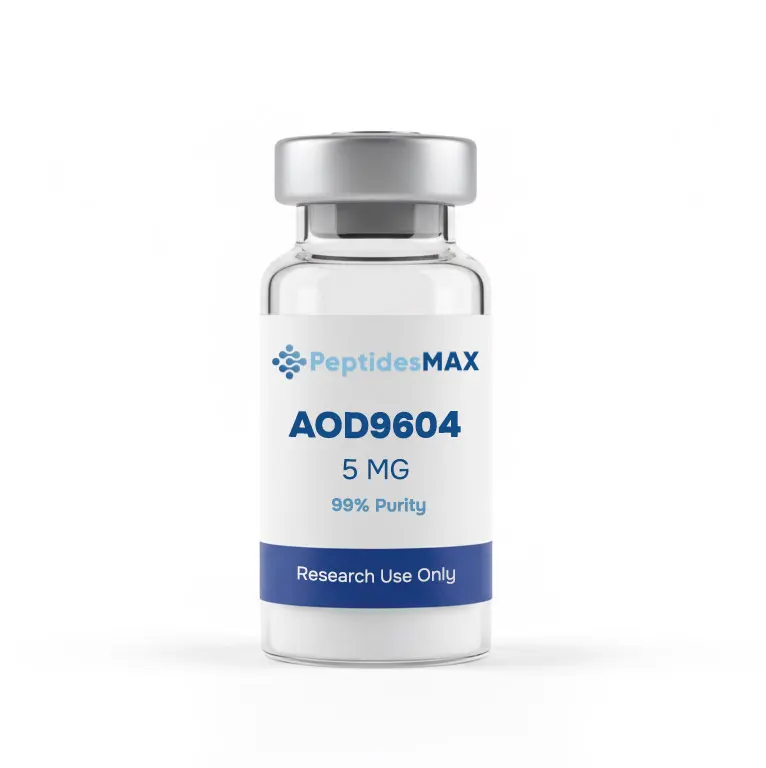
- Fat Loss: Peptides like AOD-9604 target adipose tissue, aiding in weight management without affecting blood sugar.
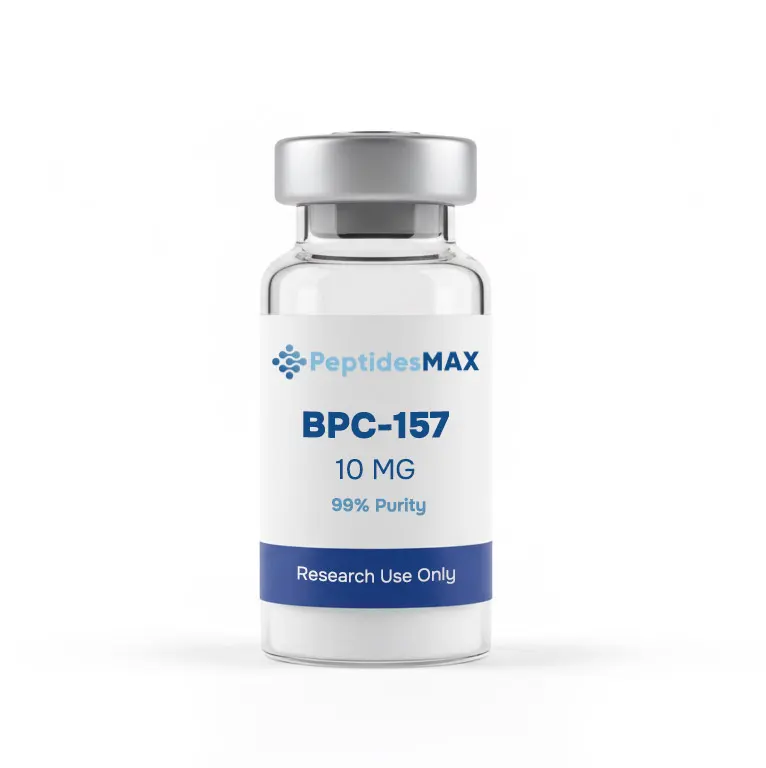
- Injury Recovery: BPC-157 and TB-500 accelerate healing of tendons, ligaments, and muscles.
- Endurance Enhancement: Some peptides improve oxygen utilization and cardiovascular efficiency.
Important: Many performance-enhancing peptides are prohibited in competitive sports and should only be used under medical supervision.
4. Scientific Research and Diagnostics
Peptides serve as essential tools in laboratory research and diagnostic applications:
- Biomarkers: Specific peptide sequences indicate disease presence, enabling early detection through blood tests.
- Drug Delivery: Cell-penetrating peptides (CPPs) transport therapeutic molecules across cell membranes.
- Protein Studies: Synthetic peptides help researchers study protein structures and interactions.
- Vaccine Development: Peptide-based vaccines stimulate targeted immune responses with fewer side effects.
5. Veterinary Medicine
In veterinary practice, peptides are used for:
- Promoting growth and development in livestock
- Treating metabolic disorders in animals
- Enhancing immune function and disease resistance
- Accelerating wound healing in companion animals
Advantages of Peptide-Based Solutions
- High Specificity: Peptides target precise receptors with minimal off-target effects.
- Low Toxicity: Generally well-tolerated and metabolized safely by the body.
- Versatility: Can be designed for countless therapeutic and cosmetic purposes.
- Rapid Action: Many peptides work quickly due to small molecular size.
Conclusion
From revolutionary cancer therapies to next-generation skincare and athletic recovery, peptides represent one of the most versatile and promising areas of modern biochemistry. As research advances, we can expect even more innovative applications that harness the power of these remarkable molecules. Whether in medicine, cosmetics, or scientific discovery, peptides continue to shape the future of health and wellness.
Disclaimer: This information is for educational purposes only. Always consult qualified healthcare professionals before using any peptide-based products.


Reviews
There are no reviews yet.