
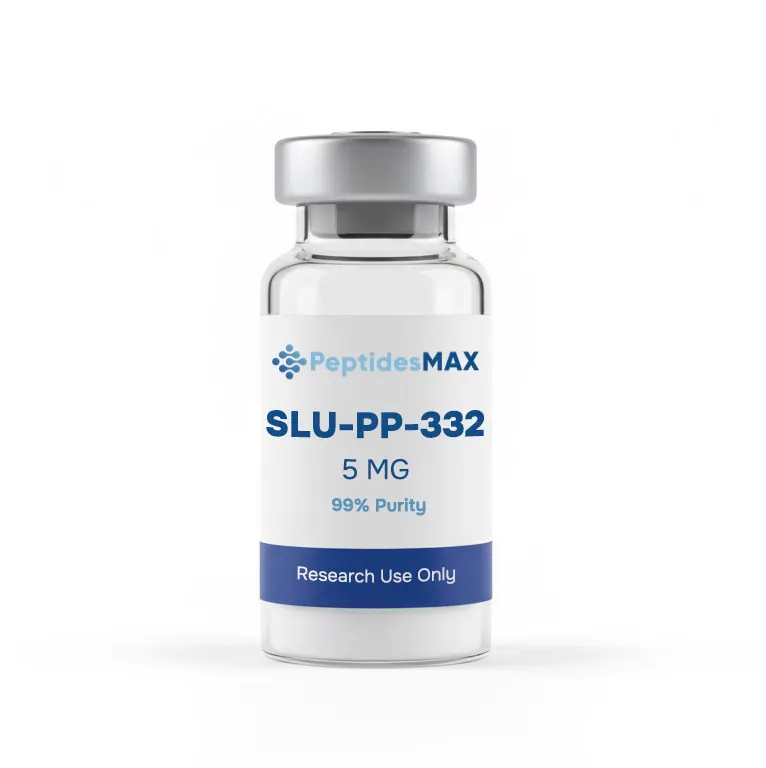
SLU-PP-332 Research Compound – Mitochondrial Uncoupler & Metabolic Studies
Product Overview:
SLU-PP-332 is a novel small-molecule mitochondrial uncoupler that has emerged as a powerful tool for metabolic and aging research. This compound selectively targets the mitochondrial electron transport chain, increasing energy expenditure and mimicking metabolic effects of exercise. SLU-PP-332 represents a breakthrough in investigating mitochondrial function, metabolic disorders, and potential therapeutic approaches for obesity and age-related diseases. Our SLU-PP-332 is synthesized for advanced biochemical and physiological research with the highest purity standards.
Key Features:
- High Purity: ≥98% purity verified by independent HPLC-MS analysis
- Available Concentration: 5mg lyophilized powder vials
- Research Grade: Manufactured in ISO-certified facility under strict quality control
- Stable Formulation: Lyophilized powder ensures maximum potency and extended shelf life
- Novel Mechanism: Selective mitochondrial uncoupler for cutting-edge metabolic research
Chemical Information:
- Molecular Formula: C₂₁H₂₅ClN₄O₃
- Molecular Weight: ~416.9 g/mol
- Compound Type: Small-molecule mitochondrial uncoupler
- Appearance: White to off-white lyophilized powder
- Solubility: Soluble in DMSO, ethanol, or aqueous buffers (pH-dependent)
- Solubility Note: Limited water solubility; may require organic solvent for initial dissolution
Research Applications:
SLU-PP-332 has been investigated for its unique metabolic and therapeutic potential:
- Metabolic Disorders: Research on obesity, insulin resistance, and type 2 diabetes
- Mitochondrial Function: Studies on electron transport chain uncoupling and ATP production
- Aging Research: Investigation into age-related metabolic decline and cellular senescence
- Exercise Mimetics: Research on recreating metabolic benefits of physical activity
- Neurodegenerative Diseases: Potential benefits in Alzheimer’s, Parkinson’s, and mitochondrial myopathies
- Lipid Metabolism: Studies on fatty acid oxidation and adipose tissue browning
- Cardiovascular Health: Research on metabolic cardiovascular disease protection
- Caloric Restriction Mimetics: Investigation of lifespan extension mechanisms
Important: This product is strictly for in vitro and research use only. Not intended for human consumption, therapeutic application, or veterinary use.
Mechanism of Action:
SLU-PP-332 acts as a mitochondrial uncoupler by dissipating the proton gradient across the inner mitochondrial membrane without generating ATP. This “uncoupling” forces mitochondria to increase substrate oxidation to maintain the gradient, resulting in elevated energy expenditure and heat production. Unlike classical uncouplers (DNP), SLU-PP-332 demonstrates improved selectivity and a wider therapeutic window in research models, making it valuable for studying mitochondrial biology with reduced toxicity concerns.
Storage & Handling:
- Store lyophilized powder at -20°C (stable for up to 36 months)
- Reconstituted solution: stable for 7-14 days at 2-8°C; for longer storage, freeze at -80°C
- Highly sensitive to light and moisture — protect from direct sunlight at all times
- Store in amber vials or light-protected containers
- Avoid repeated freeze-thaw cycles to maintain compound integrity
- Use sterile technique for all reconstitution and handling procedures
Safety Disclaimer:
This compound is a research chemical only. It has not been evaluated by the FDA, EMA, or any regulatory authority for safety, efficacy, or pharmacological effects. Researchers must adhere to all institutional and national safety guidelines when handling. The buyer assumes full responsibility for compliance with applicable laws and regulations regarding research compounds. Not for human or veterinary therapeutic use. Mitochondrial uncouplers can be toxic at high concentrations — handle with extreme caution.
Reconstitution Guidelines:
- Reconstitute with DMSO, ethanol, or aqueous buffer (pH 7-8) depending on protocol
- For aqueous solutions: initial dissolution in DMSO (10-50mM) recommended, then dilute
- Recommended working concentration: 1-50 µM depending on research protocol
- Gently swirl vial; avoid vigorous shaking
- Store stock solutions at -80°C in single-use aliquots
Note: Certificate of Analysis (CoA) and MSDS available upon request. Bulk quantities available for institutional research groups. Contact support for wholesale pricing or protocol-specific consultations.
Related Products
Recently Viewed

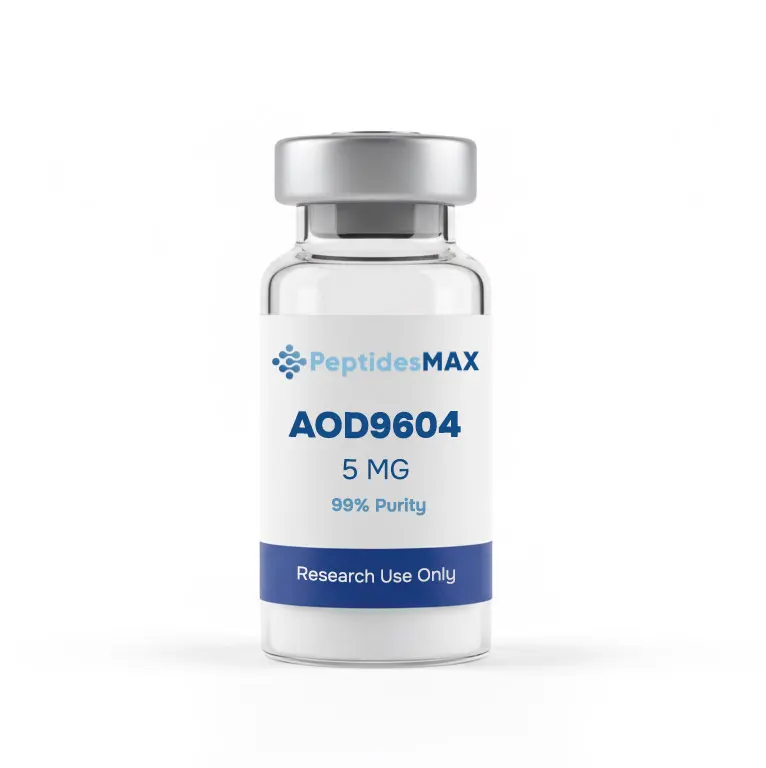
AOD9604 5MG
95,00 $
Bacteriostatic Water 10ML
Price range: 10,00 $ through 15,00 $
BPC-157 10MG
95,00 $
BPC-157/TB500 Blend 10MG
90,00 $
BPC-157/TB500 Blend 20MG
170,00 $

Reviews
There are no reviews yet.