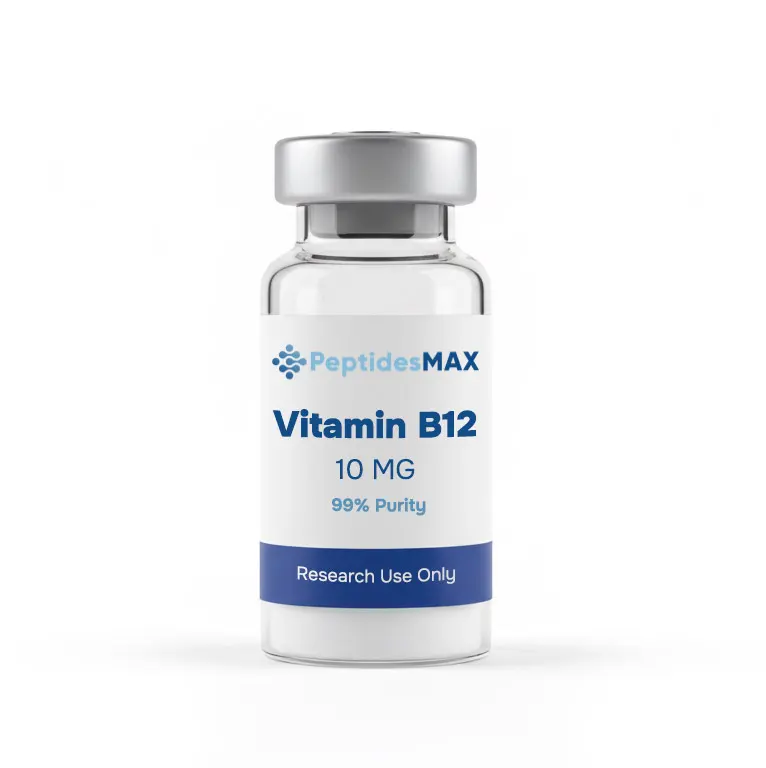
Vitamin B12 (Cobalamin) Research Compound – Cellular Energy & Neurological Health
Product Overview:
Vitamin B12, also known as cobalamin, is a crucial water-soluble vitamin essential for DNA synthesis, red blood cell formation, and neurological function. This cobalt-containing compound exists in several forms, with methylcobalamin and cyanocobalamin being the most common in research applications. Vitamin B12 serves as a cofactor for methionine synthase and methylmalonyl-CoA mutase, making it indispensable for cellular metabolism and myelin synthesis. Our Vitamin B12 is synthesized for advanced biochemical and nutritional research with pharmaceutical-grade purity.
Key Features:
- High Purity: ≥98% purity verified by independent HPLC analysis
- Available Forms: Methylcobalamin and Cyanocobalamin variants
- Research Grade: Manufactured in ISO-certified facility under strict quality control
- Stable Formulation: Lyophilized powder ensures maximum potency and extended shelf life
- Essential Cofactor: Critical for one-carbon metabolism and neurological research
Chemical Information:
- Molecular Formula: C₆₃H₈₈CoN₁₄O₁₄P (varies by form)
- Molecular Weight: ~1,355.4 g/mol (base cobalamin structure)
- Appearance: Dark red crystalline powder (characteristic cobalt complex)
- Solubility: Soluble in water, physiological saline, or buffered solutions
-
- Cyanocobalamin Form: Contains cyanide ligand (stable, common research form)
- Methylcobalamin Form: Contains methyl group (bioactive neurological form)
Research Applications:
Vitamin B12 has been extensively investigated for its critical roles in:
- One-Carbon Metabolism: Research on methionine cycle, folate metabolism, and homocysteine regulation
- Neurological Health: Studies on myelin synthesis, nerve regeneration, and cognitive function
- Hematological Research: Investigation of red blood cell formation and pernicious anemia models
- DNA Synthesis: Research on cellular replication and genomic stability
- Mitochondrial Function: Studies on energy metabolism and methylmalonic acid metabolism
- Cardiovascular Health: Research on homocysteine-related vascular disease
- Aging Studies: Investigation of age-related B12 deficiency and cognitive decline
- Nutritional Biochemistry: Malabsorption syndromes and deficiency mechanisms
Important: This product is strictly for in vitro and research use only. Not intended for human consumption, therapeutic application, or veterinary use.
Mechanism of Action:
Vitamin B12 serves as an essential cofactor for two critical enzymes: methionine synthase (required for methionine production and DNA methylation) and methylmalonyl-CoA mutase (required for odd-chain fatty acid and amino acid metabolism). Deficiency leads to impaired DNA synthesis, megaloblastic anemia, and neurological damage through disrupted myelin maintenance. Its complex cobalt-corrin ring structure allows for unique redox chemistry in these enzymatic reactions.
Storage & Handling:
- Store lyophilized powder at -20°C (stable for up to 36 months)
- Reconstituted solution: stable for 14 days at 2-8°C; for longer storage, freeze at -80°C
- Protect from light at all times — photolabile compound
- Avoid repeated freeze-thaw cycles to maintain compound integrity
- Use sterile technique for all reconstitution and handling procedures
- Store in amber vials to protect from photo-degradation
Safety Disclaimer:
This compound is a research chemical only. It has not been evaluated by the FDA, EMA, or any regulatory authority for safety, efficacy, or pharmacological effects. Researchers must adhere to all institutional and national safety guidelines when handling. The buyer assumes full responsibility for compliance with applicable laws and regulations regarding research compounds. Not for human or veterinary therapeutic use.
Reconstitution Guidelines:
- Reconstitute with sterile water for injection or physiological saline
- Recommended concentration: 1-10 mg/mL depending on research protocol
- Gently swirl vial; avoid vigorous shaking
- Allow powder to fully dissolve (may take 2-3 minutes)
- Store reconstituted solution in sterile, light-protected vial
- Working solutions should be prepared fresh when possible
Note: Certificate of Analysis (CoA) and MSDS available upon request. Bulk quantities available for institutional research groups. Contact support for wholesale pricing or protocol-specific consultations.

Related Products
Recently Viewed

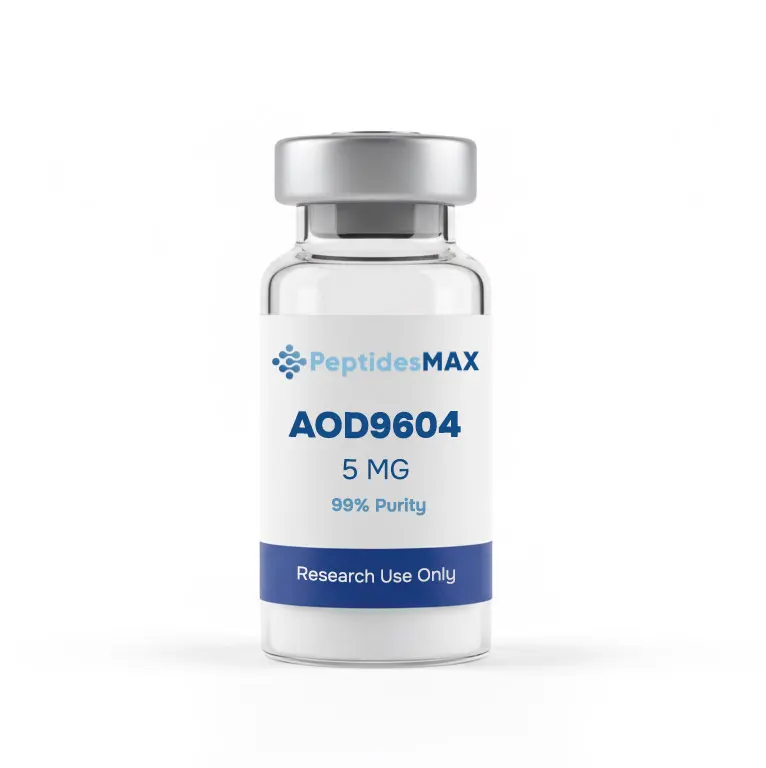
AOD9604 5MG
95,00 $
Bacteriostatic Water 10ML
Price range: 10,00 $ through 15,00 $
BPC-157 10MG
95,00 $
BPC-157/TB500 Blend 10MG
90,00 $
BPC-157/TB500 Blend 20MG
170,00 $